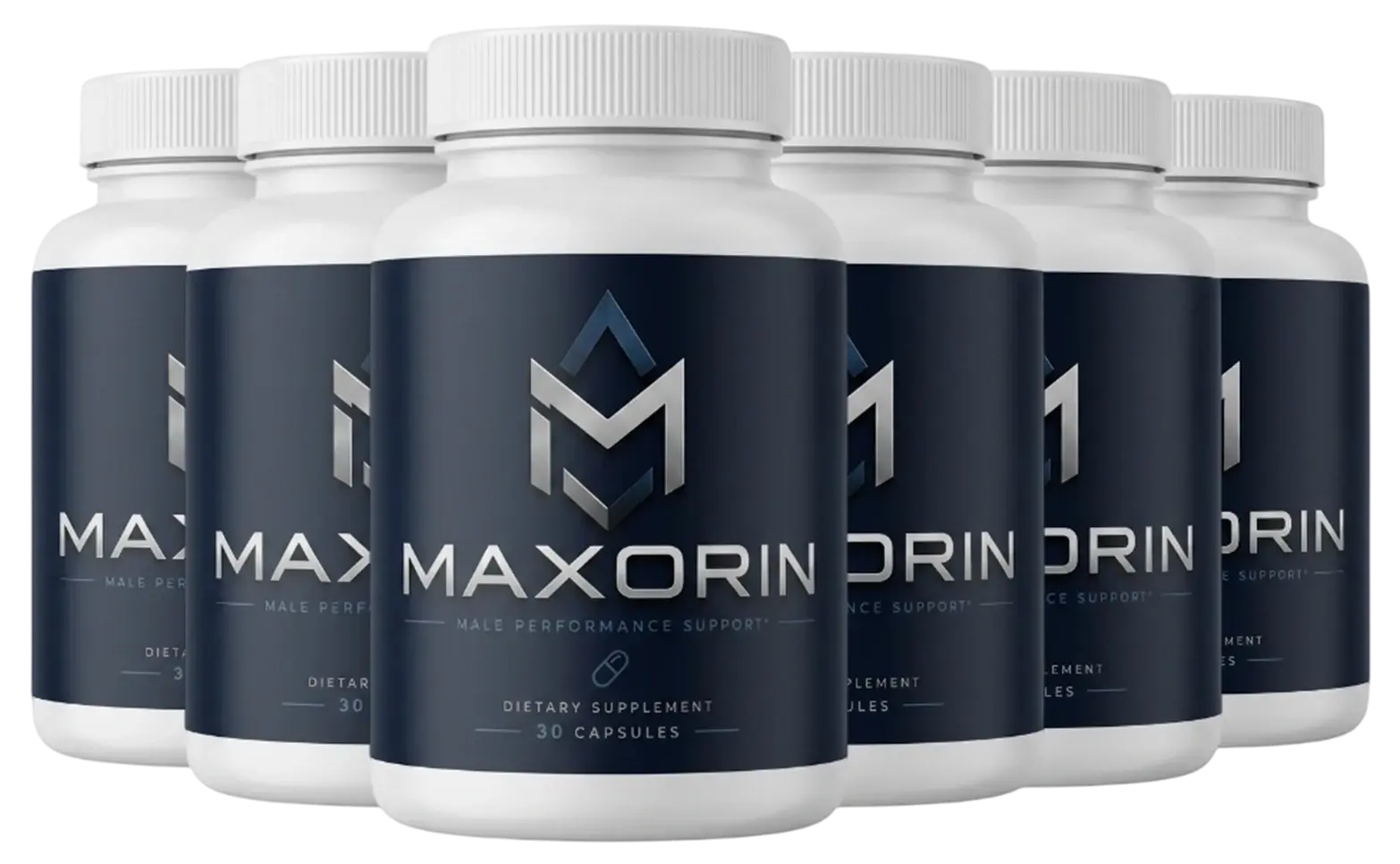
Walk through this category and you'll find plenty of formulas with ten, twelve, even fifteen named ingredients. MaxoRin has three: L-Citrulline, Zinc, and Vitamin B3. That's worth explaining rather than glossing over.
The Case For Fewer Ingredients
A shorter list is simpler to evaluate. With three ingredients, you can reasonably research each one and form your own view of the formula, rather than trying to assess a dozen botanicals at once. It also may reduce the odds of an unexpected interaction or sensitivity, since there's simply less in the capsule.
The Case Against Fewer Ingredients
Larger multi-herb blends include traditional botanicals — like Tongkat Ali, Panax Ginseng, or Maca Root — that MaxoRin doesn't. If you're specifically drawn to those ingredients' traditional reputations, a smaller formula like MaxoRin's won't include them.
Our Honest Take
Neither approach is inherently better — it depends on what you're looking for. If you want a focused formula built around a few well-understood mechanisms (circulation, cellular function, energy metabolism), MaxoRin's approach makes sense. If you want the broadest possible traditional-botanical coverage, a larger blend might suit you better.